Skip to play notes
Tabletop games / people before points[email protected]

PLAY TABLE NOTES / 01

Make room for the table.

Thoughtful game nights are not a contest to own the most titles. They are a small act of hosting: a clear invitation, a fitting game, a calm teach, and a table where every person has space to take part.

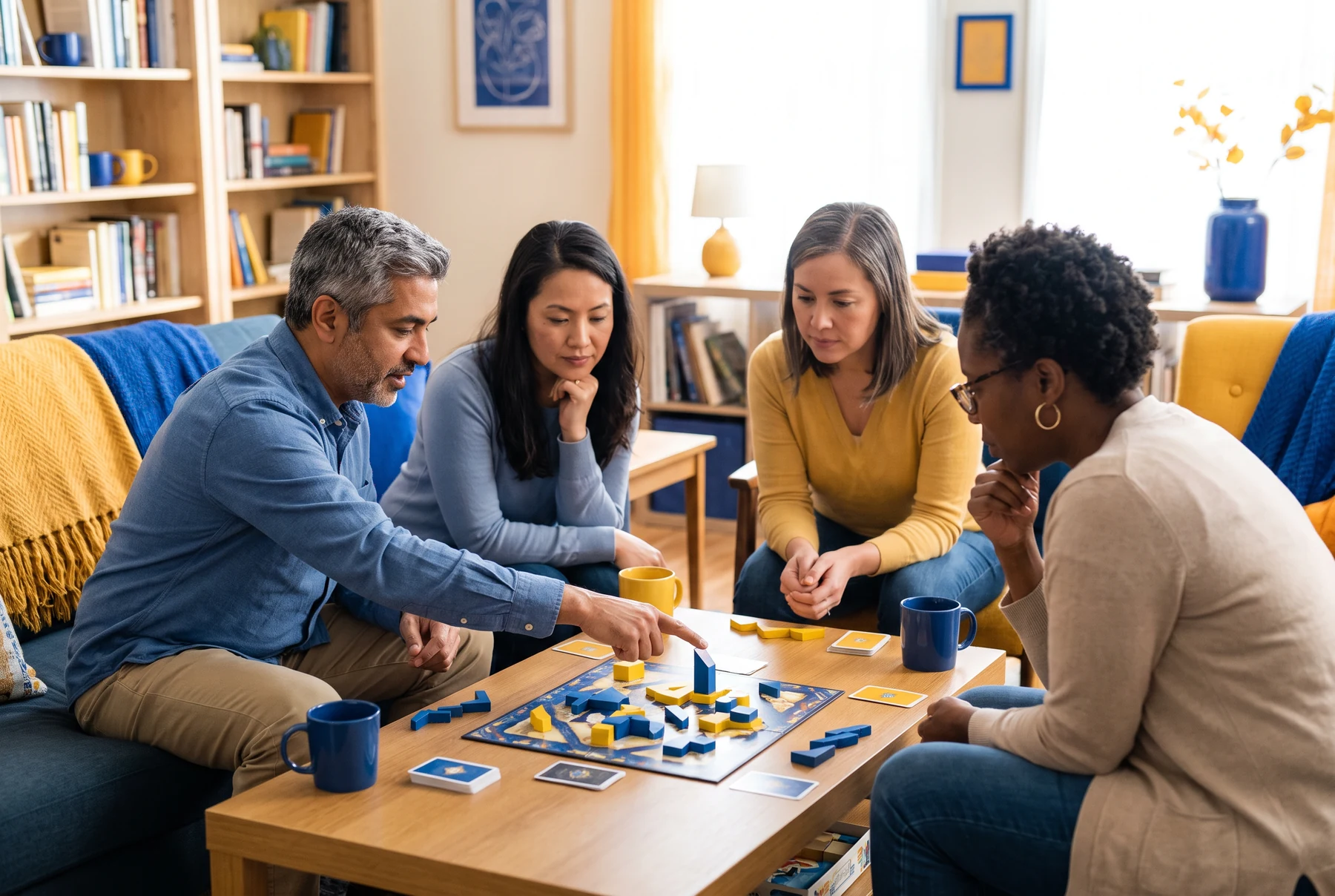
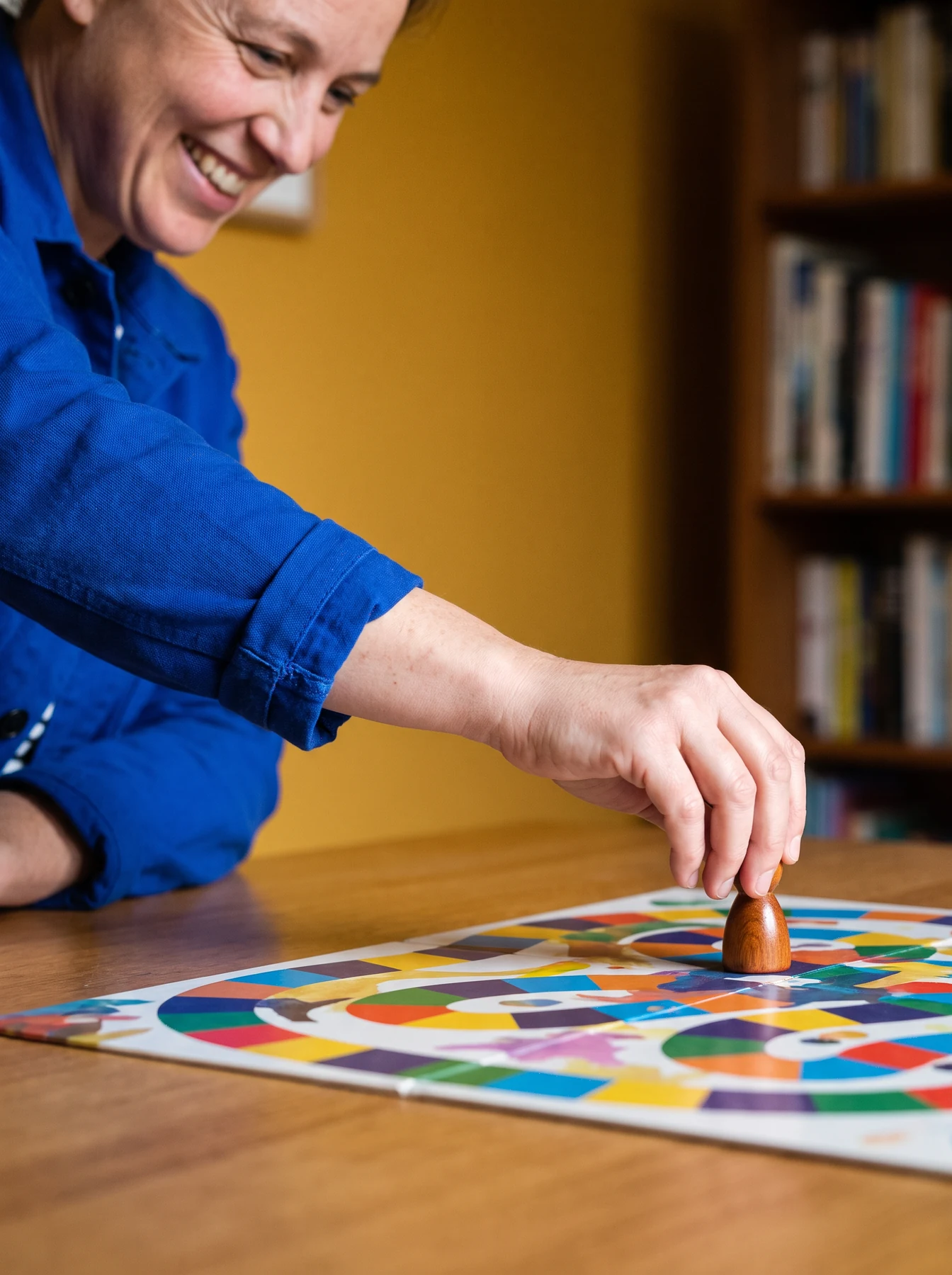
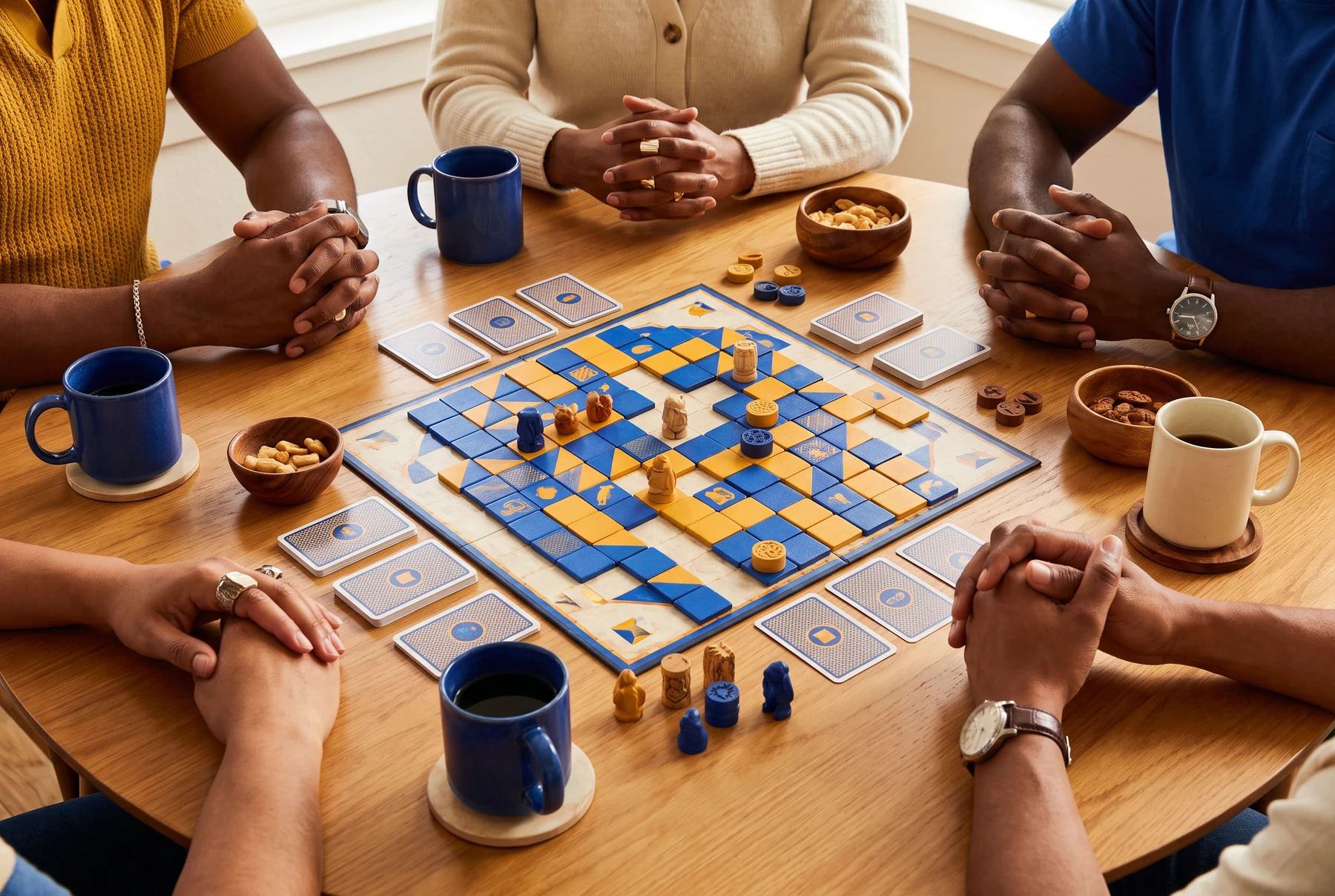
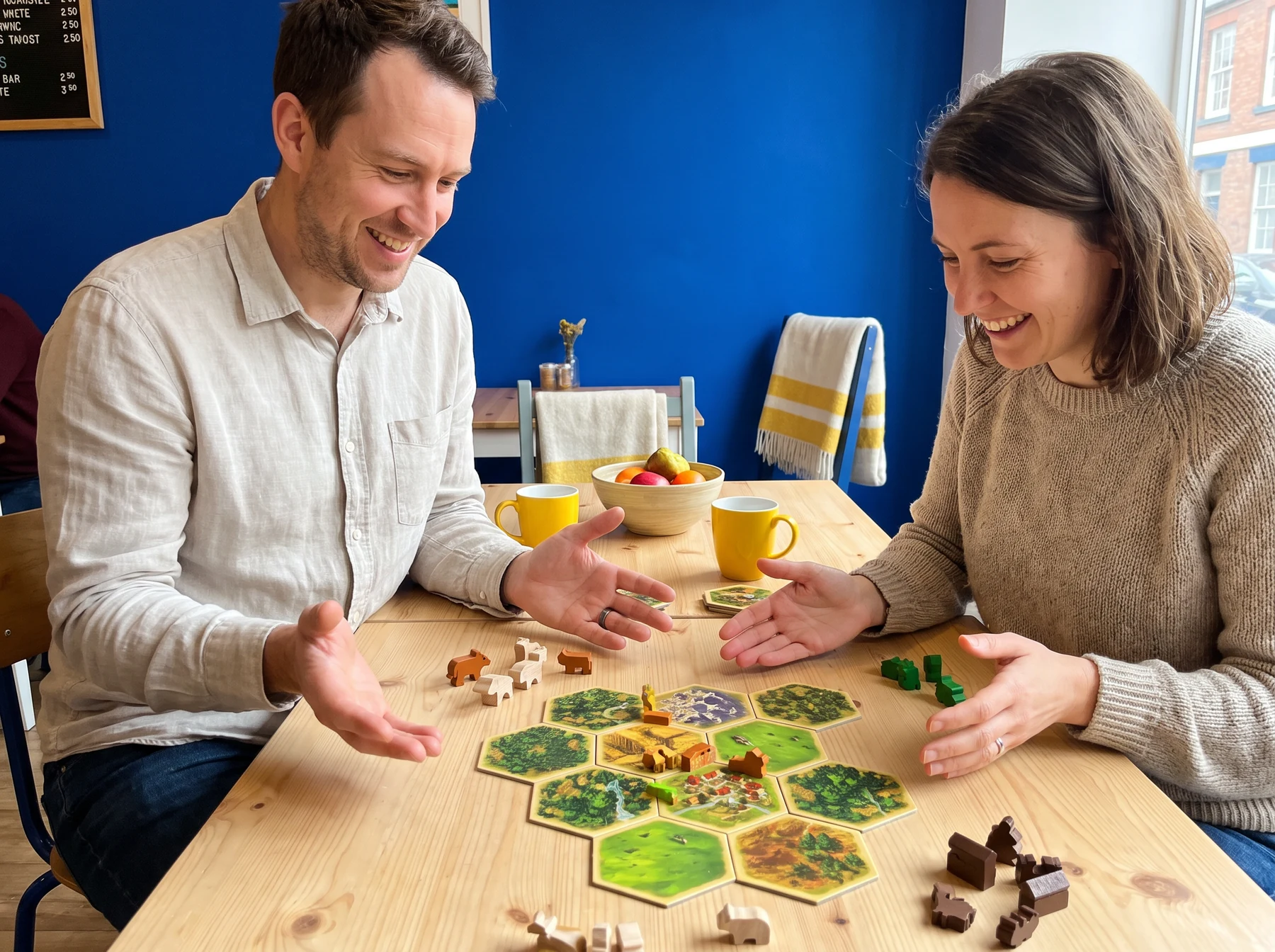
Friends gathered around a colorful tabletop game
Play cue The aim is shared attention, not a perfect evening.
WELCOME THE NEW PLAYER EXPLAIN THE FIRST TURN KEEP THE TABLE OPEN PAUSE WHEN NEEDED

A simple invitation

Before a game reaches the table, someone needs to feel invited.

01Say the shape

How many people, how long, what energy, and whether the table is open to learning.

02Keep entry easy

Explain the first goal before the exceptions. Let a person observe or leave without pressure.

03Respect the stop

A break, changed plan, or early finish can be the considerate choice.

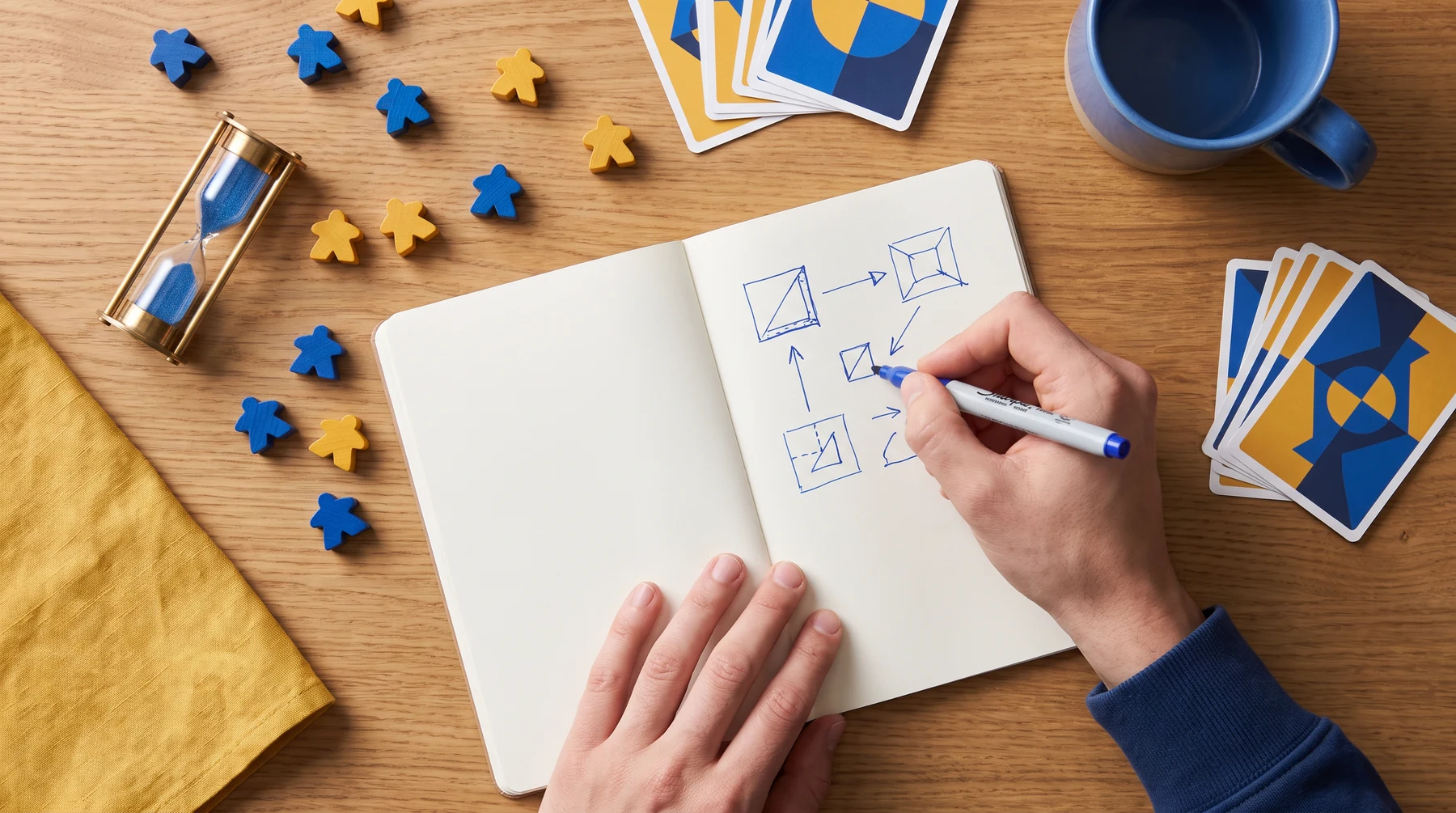
Game components beside a notebook and timer
Write the social plan before the score plan.

The table agreement

Set expectations in ordinary words.

01Consent to the game A surprising rule, bluff, theme, or conflict mechanic is easier when it is named up front.

02Keep learning visible It is fine to ask again. It is fine to take a practice turn.

03Protect the tempo Do not make one person’s speed the standard for everyone.

04End with care Pack together, share what worked, and let the next invitation stay possible.

Choose by the room, not the shelf

Which kind of table are you setting?

New players need a visible first decision.

Look for a game where the starting action can be demonstrated in a minute, the central goal can be said plainly, and a mistake does not remove a person from the evening. Offer a practice round and avoid treating a rule explanation as a performance.
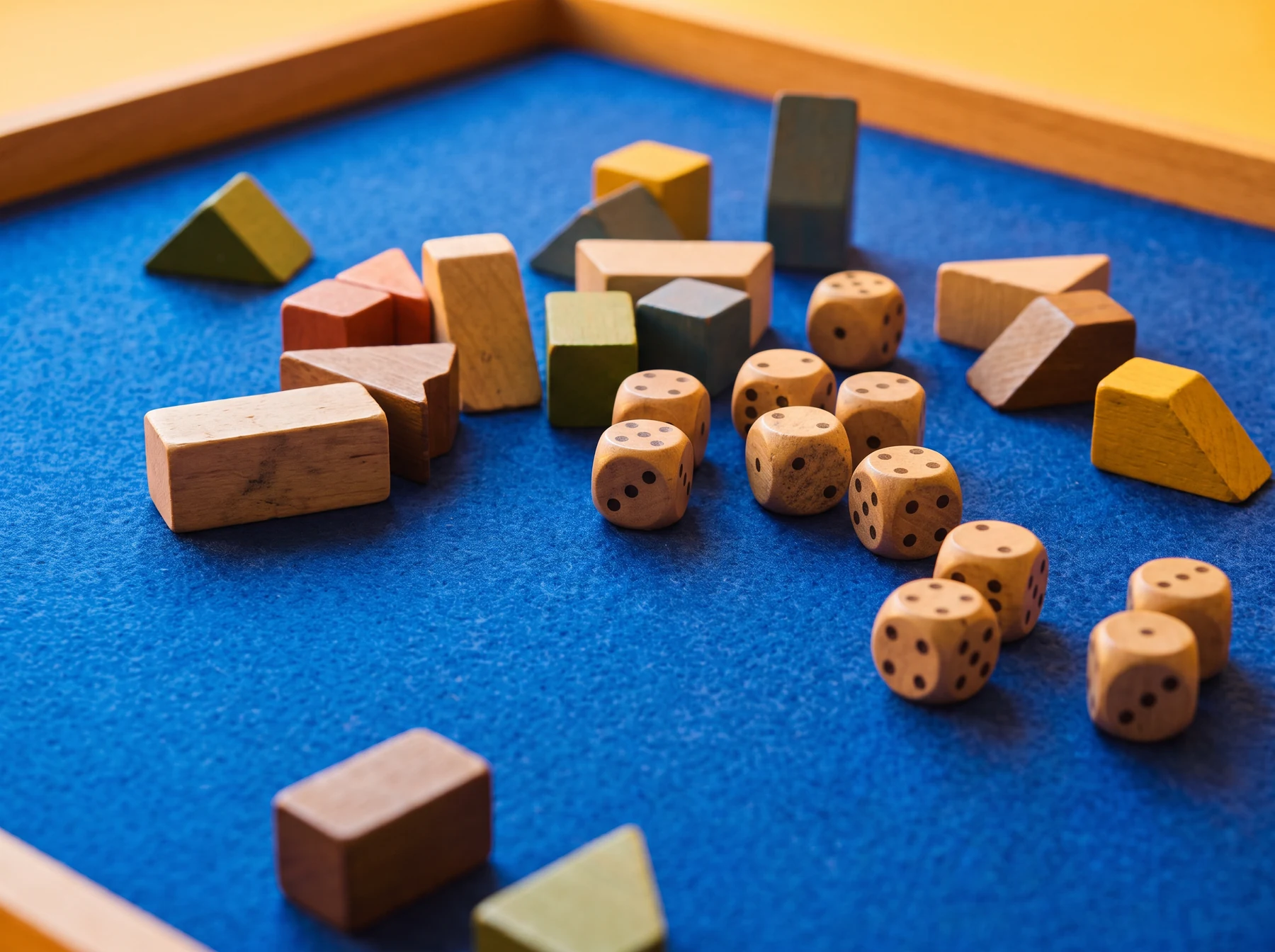
Wooden pieces and dice on a boardHelpful question: “Would you like the first move explained with an example?”
Private plan card

Mark the parts of the evening you have considered.

0 / 6 marked

Host kindly

The best rule explanation has a second version.

Start with a tiny playable example. Say what a turn looks like, what a person is trying to do, and when they can ask for help. Keep rule references close, but do not let the guide dominate the table.

Read common questions
Game pieces and timer on a table
Explain enough to begin. Clarify more as the table plays.

Questions for the table

Good play has room for a second question.

Begin with the social conditions, not a reputation for complexity. Consider the number of people, time available, comfort with reading and rules, preferred interaction, and whether learning together is part of the invitation. A smaller or familiar game can make a mixed group feel more included than an ambitious title chosen to impress.

Start with the game’s purpose and show a single turn before describing exceptions. Give people an object to point at, use plain words, and invite questions as part of play. It can help to say that the first round is for learning. If a rule becomes important later, explain it at that moment rather than front-loading every possibility.

Yes. A game is a shared activity, not a contract to ignore tiredness, discomfort, changed plans, or a mismatch in energy. A host can make this easier by naming breaks and early endings as normal options at the outset. Packing up with care and choosing something different next time can preserve the relationship better than forcing a finish.

No. Pireqavin is an information-only tabletop-games guide. It does not sell products, take reservations, run a club, accept payment, arrange events, verify availability, or collect a player profile. The contact form prepares a browser-local email draft for website feedback; it is not an event registration, a purchase, or an invitation to send sensitive information.

Site note

Found a phrase that could make an invitation kinder?

Send a note about the website. The form prepares a draft in your browser and does not automatically send it.

[email protected]